


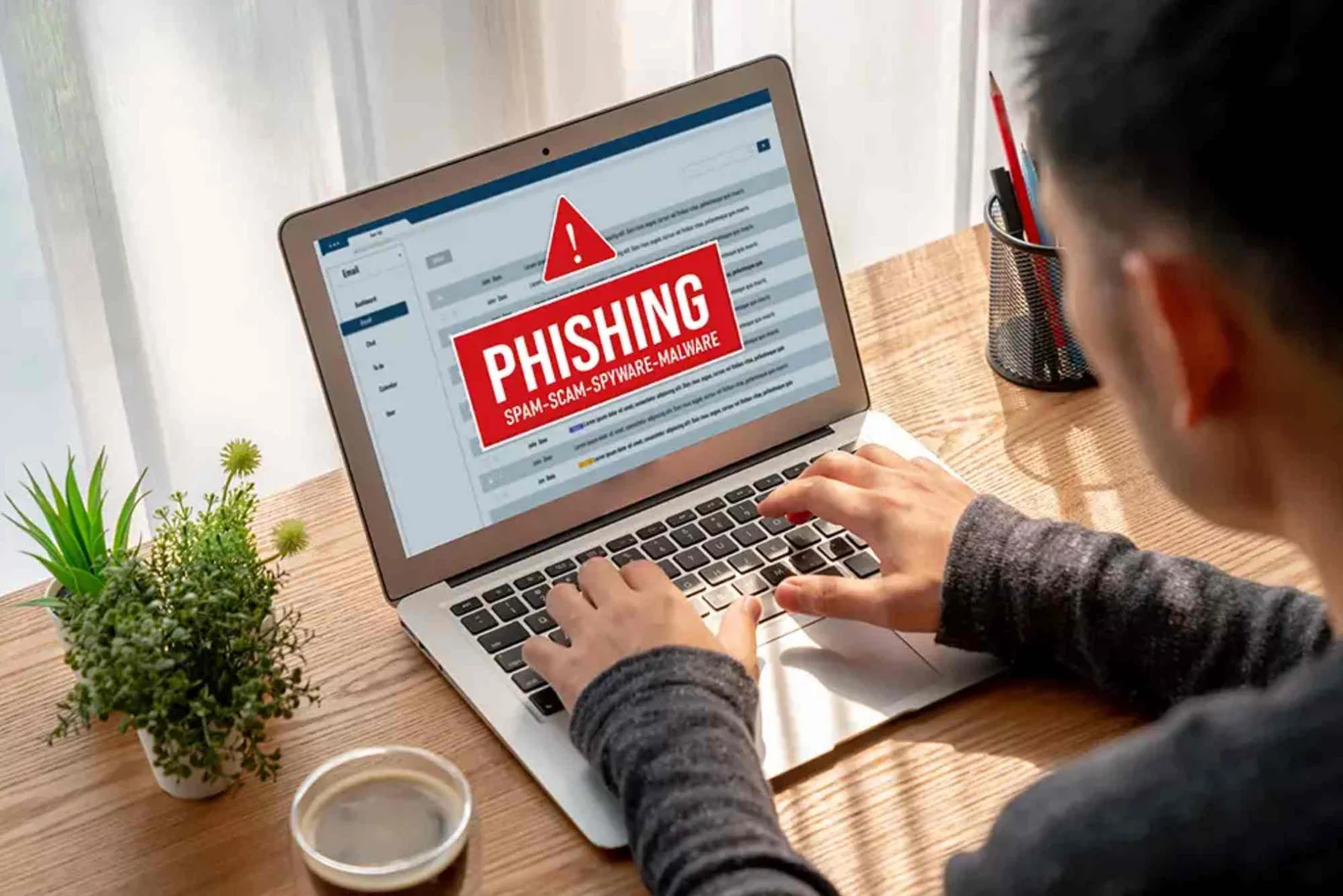
30 Jul Phishing Scams: Accountants Protect Clients From Biggest Cyber Threat
Why Phishing Scams Target Accounting Firms
Cybercriminals know accounting firms sit at the center of sensitive financial activity. A single compromised inbox can expose:
- Tax identification numbers
- Bank account details
- Vendor payment information
- Payroll records
- Financial statements
This makes accountants a high‑value target for phishing attacks, especially during busy seasons when email volume spikes and mistakes are more likely.
Modern Phishing Techniques Clients Should Know
Phishing scams have evolved far beyond the obvious spam emails of the past. Today’s attacks are polished, personalized, and extremely convincing. The most common tactics include:
- Email Spoofing — Fake emails that appear to come from banks, accounting software, or even your accountant.
- Spear Phishing — Targeted attacks using personal details to build trust.
- Business Email Compromise — Criminals impersonate executives or vendors to request urgent payments.
- Malicious Attachments — Files disguised as invoices, tax forms, or payroll reports that install malware.
These scams work because they exploit trust, urgency, and routine — three things that define daily accounting communication.
Warning Signs of a Phishing Email
Even the most convincing phishing emails usually contain subtle red flags. Clients should watch for:
- Unexpected requests for payments, login credentials, or document uploads
- Urgent or threatening language designed to rush decisions
- Links that don’t match the sender’s domain
- Unusual attachments, especially ZIP files or unexpected PDFs
- Spelling or grammar errors in otherwise professional messages
Learning to pause and verify can prevent costly mistakes.
The Financial Impact of a Successful Phishing Attack
From an accounting firm’s perspective, the consequences of a phishing breach can be severe:
- Fraudulent wire transfers
- Identity theft
- Stolen tax records
- Compromised payroll systems
- Data sold on the dark web
- Loss of client trust
Even if no money is lost, the reputational damage can be long‑lasting. Clients expect accounting firms to protect their financial information with the highest level of security.
How Accounting Firms Protect Clients From Phishing Scams
At Newman Garrett and other reputable firms, cybersecurity is built into every workflow. Key protections include:
- Multi‑factor authentication for all portals and internal systems
- Encrypted document exchange instead of email attachments
- Advanced email filtering to block suspicious messages
- Regular staff training on emerging phishing tactics
- Strict verification procedures for payment or banking changes
These layers dramatically reduce risk — but they work best when clients understand their role in keeping data secure.
What Clients Can Do to Protect Their Financial Information
Accounting firms want clients to be proactive partners in cybersecurity. The most effective steps include:
- Verify financial requests using a known phone number
- Use strong passwords and avoid reusing them
- Enable multi‑factor authentication on all financial platforms
- Update software regularly to close security gaps
- Report suspicious emails immediately to your accountant
These habits create a strong defense against cybercriminals who rely on confusion and urgency.
Conclusion: Cybersecurity Is a Shared Responsibility
Phishing scams are becoming more advanced, more targeted, and more dangerous — especially for businesses that rely on accounting firms to safeguard financial data. Protecting that information is a shared responsibility. When firms and clients work together, they create a powerful barrier against cyber threats.
Cybersecurity is no longer just an IT issue. It’s a financial safeguard, a business continuity strategy, and a critical part of the trust between accountants and the clients they serve. Let Newman Garrett help protect your data today! Call us for a consultation.
Most data breaches begin with phishing scams. #IRS urges you not to let your guard down: https://irs.gov/phishing